Medical Weight Loss Georgetown TX vs Traditional Dieting | Ultimate Results

Medical weight loss Georgetown TX programs exist because traditional dieting fails most people long term. If you live in Georgetown TX and have spent years cycling through diets that work temporarily then fail, you are not alone and you are not the problem. Obesity is a chronic medical condition.
Medical weight loss Georgetown TX at Georgetown Weight Loss Clinic offers physician-supervised programs designed to address the biology behind why traditional dieting almost always fails long-term.
What Is Traditional Dieting?
Traditional dieting means restricting calories, cutting food groups, or following plans like keto, paleo, intermittent fasting, or low-fat eating. These approaches rely on short-term motivation and often produce quick results. The problem is that the body fights back. When you slash calories sharply, your metabolism slows down — a phenomenon called metabolic adaptation. Hunger hormones like ghrelin surge while leptin, the fullness signal, drops. This biological response makes restriction nearly impossible to sustain beyond a few months. Most people regain the weight, often plus extra pounds, within one to two years.
Why Traditional Diets Fail Compared to Medical Weight Loss Georgetown TX
The cycle of losing and regaining weight is not about weak character — it is driven by evolution. Your brain interprets rapid weight loss as a threat and activates survival mechanisms: increased appetite, decreased energy expenditure, and intense cravings. Over time, repeated dieting can permanently lower your resting metabolic rate. Emotional eating, stress, and sleep deprivation compound the problem. Traditional diets rarely address the underlying biology of weight regulation — which is exactly why so many Georgetown TX residents find themselves back at square one.
What Is Medical Weight Loss?
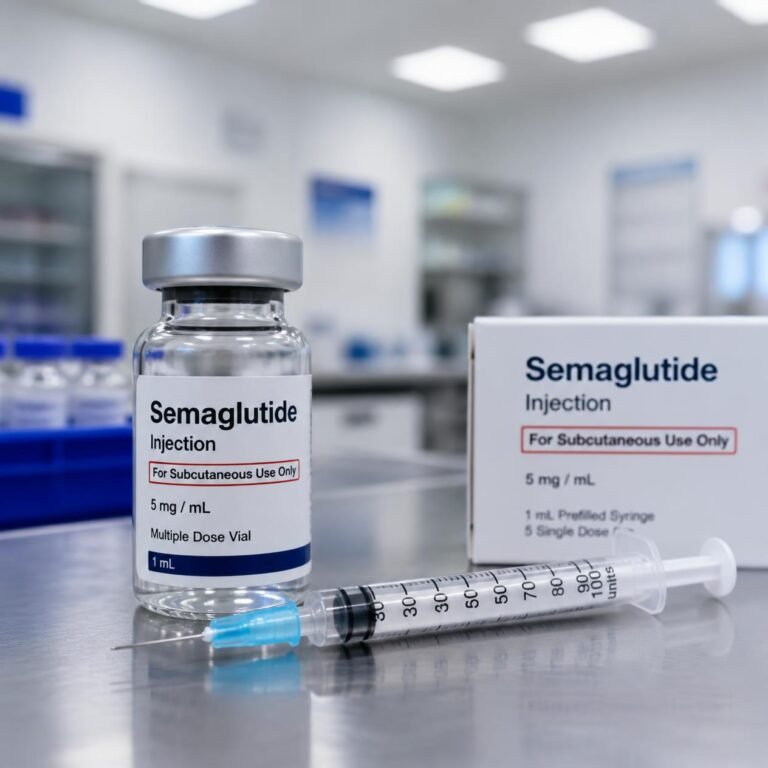
Medical weight loss is a physician-guided approach that treats obesity as a medical condition. Instead of a generic meal plan, you receive a personalized program based on lab testing, metabolic evaluation, nutrition guidance, behavior modification, and exercise recommendations. Georgetown Weight Loss Clinic offers FDA-approved prescription medications including semaglutide and tirzepatide — GLP-1 medications that work by mimicking hormones that signal fullness, helping to quiet constant food noise and adjust your body’s fat set point. Every patient receives ongoing physician supervision throughout their treatment.
For Georgetown residents who have struggled with traditional diets, medical weight loss Georgetown TX offers a clinically supervised alternative that addresses the root cause rather than just the symptoms.
Key Components of Medical Weight Loss at Our Georgetown TX Clinic
— Personalized plans based on blood work, metabolic rate, and medical history
— Prescription medications when appropriate, including semaglutide and GLP-1 therapy
— Nutrition coaching that fits your lifestyle without extreme restrictions
— Behavioral strategies to address emotional eating, stress, and habits
— Regular follow-ups with our physician team to adjust your plan as needed
The Science Behind Why Diets Often Fail
Obesity medicine recognizes that weight regulation is governed by complex hormonal and neurological systems. Insulin resistance makes it harder for cells to use glucose, leading to stubborn weight gain. Chronic stress raises cortisol, promoting fat storage around the abdomen. Sleep deprivation disrupts hunger hormones. These factors create a biological environment that fights against calorie cutting alone.
GLP-1 medications like semaglutide and tirzepatide help restore hormonal balance. They are not appetite suppressants — they alter the way your brain and body respond to food. This is why medical weight loss achieves results that traditional dieting cannot match.
Medical Weight Loss vs Traditional Dieting
Below is a comparison based on research and clinical experience. Note that individual results vary, and both approaches require commitment.
Factor | Traditional Dieting | Medical Weight Loss |
|---|---|---|
Sustainability | Often short-term; high dropout rates | Designed for long-term management with ongoing support |
Personalization | Generic meal plans or fad rules | Based on lab work, metabolic testing, and medical history |
Hunger Management | Relies on willpower; hunger hormone increases | Medications and coaching help control appetite and cravings |
Metabolic Support | May slow metabolism further | Medications and strategies help protect metabolic rate |
Speed of Results | Rapid initial loss, then plateau | Steady, sustainable loss (3%–18% more than lifestyle alone over one year) |
Muscle Preservation | Often lose muscle along with fat | Emphasizes protein, exercise, and gradual loss to preserve lean mass |
Relapse Prevention | Rarely addressed | Built-in follow-ups and maintenance protocols |
Psychological Support | Minimal; reliance on self-motivation | Behavior modification and regular accountability |
Long-Term Outcomes | Majority regain weight within 2 years | Georgetown Weight Loss Clinic provides ongoing monitoring and maintenance support. |
Who Is a Good Candidate for Medical Weight Loss in Georgetown TX?
Medical weight loss is appropriate for adults with a BMI of 30 or higher, or a BMI of 27 or higher with a weight-related condition such as type 2 diabetes, high blood pressure, or sleep apnea. It is especially helpful for Georgetown TX residents who have tried multiple diets without lasting results, or who struggle despite eating well and exercising. No referral is required at Georgetown Weight Loss Clinic.

Common Misconceptions About Medical Weight Loss
“Weight loss medication is cheating.” Obesity is a chronic medical condition, not a moral failing. Using FDA-approved medications like semaglutide under medical supervision is no different from taking medication for high blood pressure or diabetes.
“You just need more discipline.” Biology often overrides willpower. When ghrelin surges and leptin resistance sets in, the body actively fights weight loss. Medical intervention restores hormonal balance so your efforts can actually work.
Realistic Expectations
Medical weight loss is not a miracle cure. Clinical studies show patients lose 3% to 18% more total body weight over one year compared to lifestyle changes alone — meaningful results, not overnight transformations. The best outcomes come from combining medication with healthy eating, behavior changes, and regular exercise. Georgetown Weight Loss Clinic monitors your progress throughout and adjusts your plan if needed.
Frequently Asked Questions
How much weight can I expect to lose with medical weight loss?
On average, people lose 3% to 18% more body weight over one year compared to lifestyle changes alone. Some individuals lose 50–80 pounds, others 10–15 pounds, and some see little change. Your healthcare provider will monitor your progress and adjust the plan if needed after 3–6 months on the full medication dose.
Are weight loss medications safe?
FDA-approved prescription weight-loss drugs have been tested for safety and effectiveness when used under medical supervision. Common side effects include upset stomach, constipation, and diarrhea, which often improve over time. Compounded versions of semaglutide and tirzepatide have not been evaluated by the FDA for safety or effectiveness.
Do I need to follow a special diet while on medication?
Yes. Weight-loss medications are meant to be used alongside healthy eating, behavior changes, and exercise. Medical weight loss programs provide personalized nutrition guidance and lifestyle support to maximize results and develop habits that last after treatment.
Can I use medical weight loss if my BMI is lower than 27?
Eligibility for prescription weight-loss drugs generally requires a BMI over 30 (obesity) or over 27 with a weight-related health condition like diabetes or high blood pressure. A physician can evaluate your individual health profile and discuss all available options, including non-medication approaches.
Is medical weight loss covered by insurance?
Coverage varies by plan and location. Many clinics like Medi-Weightloss accept insurance and are in-network with major carriers. It is best to check with your insurance provider and the clinic directly to understand your benefits and any out-of-pocket costs.
If you are tired of the cycle of temporary loss and frustrating regain, medical weight loss offers a science-backed path forward. By addressing the biology behind weight regulation, you can break free from diets that never last. Talk to a healthcare provider about whether a physician-supervised program is right for you. Your health, and your future, deserve a plan that works with your body, not against it.
Q: Where is Georgetown Weight Loss Clinic located?
A: We serve patients in Georgetown TX and across Williamson County including Round Rock, Cedar Park, Pflugerville, Hutto, Jarrell, Leander, and Taylor. No referral is required. Contact us to book your free consultation.
Ready to Try Medical Weight Loss in Georgetown TX?
If you are tired of the cycle of temporary loss and frustrating regain, Georgetown Weight Loss Clinic offers a science-backed path forward. Our physician-supervised programs address the biology behind weight regulation
— not just the symptoms.
— Learn about semaglutide therapy in Georgetown TX
— Explore GLP-1 treatment options
— Visit our Ozempic clinic page
— Book a free weight loss consultation
Visit us at medical weight loss Georgetown TX
All medications we prescribe are FDA-approved. Learn more at the FDA’s official website.
— Learn about semaglutide therapy in Georgetown TX
— Explore GLP-1 treatment options
— Visit our Ozempic clinic page
— Book a free weight loss consultation
All medications we prescribe are FDA-approved. Learn more at the FDA’s official website.
For Georgetown residents tired of the diet cycle, medical weight loss Georgetown TX offers a science-backed path that works with your biology instead of against it.