Ozempic for Weight Loss: 7 Things Your Doctor Should Tell You

Ozempic has become one of the most searched medical terms in the United States. Celebrities have discussed it openly. Pharmacies reported shortages. News coverage swings between calling it a miracle drug and warning of serious risks. Amid the noise, patients genuinely struggling with obesity or metabolic disease are left trying to make an informed decision with incomplete information.
This guide provides that information. It’s clinically accurate, evidence-based, and written for people who want real answers — not reassuring generalities. Whether you’re considering Ozempic for weight loss for the first time or trying to understand whether it’s the right fit for your specific situation, what follows covers the mechanism, the clinical data, the risks, and the honest long-term picture.

What Is Ozempic?
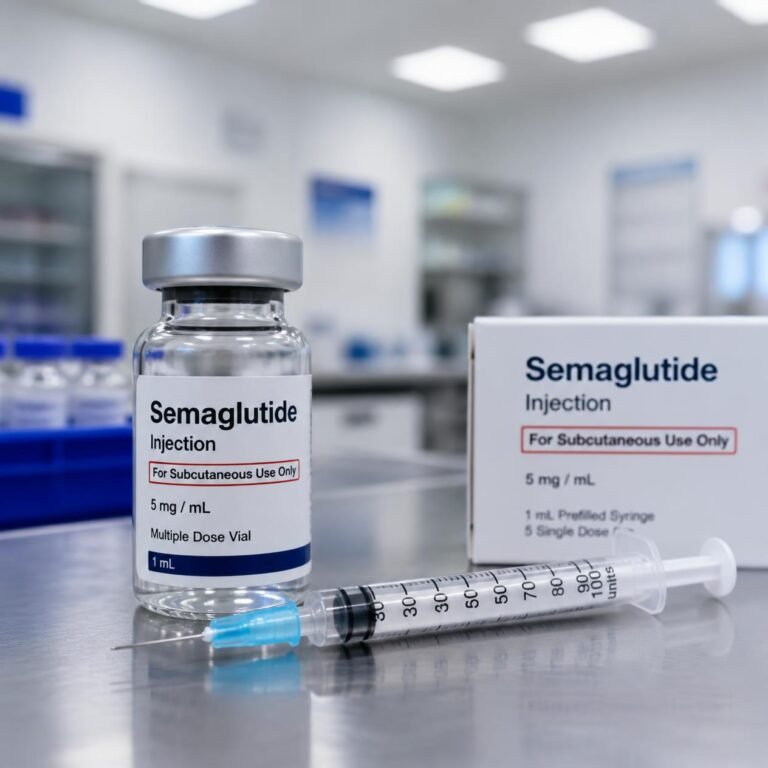
Ozempic is the brand name for semaglutide, a medication developed by Novo Nordisk and FDA-approved in 2017 for the management of type 2 diabetes. Its active ingredient belongs to a class of drugs called GLP-1 receptor agonists — medications that mimic glucagon-like peptide-1, a hormone the body naturally produces after eating.
An important distinction worth stating clearly: Ozempic is not FDA-approved as a weight loss drug. Even Novo Nordisk’s own prescribing information states that Ozempic “may help you lose weight” but is not indicated for weight management. The FDA-approved option for chronic weight management is Wegovy — which contains the same active ingredient, semaglutide, at a higher maximum dose.
Despite this distinction, physicians widely and legally prescribe Ozempic off-label for weight loss. This is a common, accepted medical practice when clinical evidence supports the use — and in the case of semaglutide, the evidence is substantial. Patients considering a medical weight loss program should understand this nuance not because it changes the clinical picture, but because it affects insurance coverage and prescribing approach.
How Ozempic Works for Weight Loss
The mechanism is more sophisticated than most patients expect. Understanding it helps set realistic expectations and explains why the medication produces results that willpower-based approaches rarely achieve.
Appetite Regulation at the Neurological Level
Semaglutide crosses the blood-brain barrier and acts directly on appetite-regulating centers in the hypothalamus. This is not appetite suppression in the way older stimulant-based diet medications worked. It is a recalibration of the hormonal signals that tell your brain whether you are hungry or full.
Patients consistently describe the experience in similar terms: food becomes less interesting. The mental preoccupation with eating — the constant awareness of hunger, the intrusive thoughts about the next meal — diminishes significantly. For patients who have spent years fighting their appetite through restriction and willpower, this shift is often described as transformative.
Delayed Gastric Emptying
Ozempic slows the rate at which food moves from the stomach into the small intestine. Meals feel more satisfying for longer. Patients eat less not because they are forcing themselves to stop, but because satiety arrives earlier and persists.
Blood Sugar Stabilization
The medication stimulates insulin release in a glucose-dependent manner — meaning it only triggers insulin when blood sugar is actually elevated. This significantly reduces hypoglycemia risk. Stable blood sugar means fewer energy crashes and fewer cravings driven by glucose fluctuation.
Craving Reduction
Emerging research suggests semaglutide reduces the neurological reward response associated with highly palatable foods — the pull toward high-fat, high-sugar foods that drives overeating independent of actual hunger. This mechanism is still being studied, but clinical observation strongly supports it.
Ozempic Results: What the Clinical Data Actually Shows
The clinical evidence for semaglutide is among the strongest ever published for a weight loss medication.
The STEP trials — a series of large-scale randomized controlled trials published in the New England Journal of Medicine — showed that patients on semaglutide 2.4mg weekly achieved an average body weight reduction of approximately 15% over 68 weeks. Strong responders lost 20% or more. At lower doses used in diabetes treatment, the 0.5mg dose produced roughly 8 pounds of average loss over 30 weeks — meaningful, but not the headline number. Dose matters significantly.
Realistic timeline:
- Weeks 1–4: Starting dose is 0.25mg weekly. Appetite reduction is noticeable for most patients within the first 1–2 weeks. Scale movement is minimal while the dose is still being titrated.
- Weeks 4–12: First dose increase. Meaningful weight loss begins. Patients following clinical guidance typically lose 1–2 pounds per week during this window.
- Months 3–6: The period of most significant loss for the majority of patients. By month six, many are at or above 10% body weight reduction.
- Months 6–12: Loss continues at a slower pace. Patients on maximum doses see continued progress through the full year.
What affects outcomes?
Semaglutide is not a passive medication. Patients who make moderate dietary adjustments — not extreme restriction, but responsive eating in line with reduced hunger signals — consistently outperform those who don’t change their habits at all. Regular physical activity improves outcomes further. The medication creates favorable conditions for weight loss; the patient’s behaviors determine how fully those conditions are realized.
Ozempic Side Effects and Risks
Common Side Effects
The most frequently reported side effects are gastrointestinal and most pronounced during dose escalation:
- Nausea — affects 40–50% of patients to some degree, typically improving after the first 4–8 weeks
- Constipation — common and manageable with hydration and dietary fiber
- Reflux and abdominal cramping — mild for most patients, most pronounced early in treatment
- Vomiting and diarrhea — less common, usually resolves as the body adjusts
Slow dose titration — which is standard clinical practice — significantly reduces severity. Most patients who discontinue due to side effects do so in the first few weeks; those who get through the adjustment period typically tolerate the medication well long-term.
Serious but Rare Risks
- Pancreatitis — cases have been reported; patients with a history of pancreatitis should discuss this carefully with their physician
- Gallbladder disease — rapid weight loss of any kind increases gallstone risk; not unique to semaglutide but relevant to monitor
- Kidney function — dehydration from GI side effects can affect kidney function; adequate hydration during treatment is important and kidney function should be monitored in at-risk patients
- Diabetic retinopathy — in patients with existing diabetes, rapid improvement in blood sugar has been associated with temporary worsening of retinopathy; ophthalmological monitoring is recommended
- Thyroid tumors — GLP-1 medications carry an FDA black box warning for medullary thyroid carcinoma based on animal studies; not confirmed in humans but taken seriously
Who Should Not Take Ozempic
Ozempic is contraindicated in patients with a personal or family history of medullary thyroid carcinoma, multiple endocrine neoplasia syndrome type 2, known hypersensitivity to semaglutide, or pregnancy.
Why physician supervision matters
The proliferation of online services offering rapid semaglutide prescriptions based on brief questionnaires is a legitimate clinical concern. Proper prescribing requires thorough health history review, contraindication screening, baseline labs where appropriate, and an ongoing relationship that enables dose management and side effect monitoring. Patients at our Georgetown weight loss clinic receive this level of oversight — not as a formality, but because it produces meaningfully better outcomes and catches problems before they become serious.
Ozempic vs. Wegovy: What’s the Actual Difference?
Both contain semaglutide. The pharmacology is identical. The differences are regulatory and practical:
| Ozempic | Wegovy | |
|---|---|---|
| FDA Indication | Type 2 diabetes | Chronic weight management |
| Maximum approved dose | 2mg weekly | 2.4mg weekly |
| Typical insurance coverage | More commonly covered for diabetes | Broader weight-loss coverage under some plans |
| Weight loss use | Off-label | FDA approved |
For most weight loss patients without diabetes, Wegovy is the technically correct prescribing option. In practice, Ozempic is frequently used off-label because of its longer track record, broader physician familiarity, and in many cases better accessibility through compounded alternatives.
The clinical outcomes are comparable at equivalent doses. Your physician will recommend whichever option best fits your health profile, insurance situation, and goals.
Is Ozempic Safe Long-Term?
The honest answer: we have strong safety data up to two years, and it is reassuring. Data beyond that window is accumulating but not yet comprehensive.
What current research shows:
- Cardiovascular outcomes in patients with type 2 diabetes are significantly improved on semaglutide (SUSTAIN-6 trial)
- No new serious safety signals have emerged in multi-year follow-up from the STEP trials
- Regular monitoring of blood sugar, kidney function, and gastrointestinal health is recommended for all long-term patients
The weight regain reality
This is the most important long-term consideration. The STEP 4 trial showed that patients who discontinued semaglutide regained approximately two-thirds of their lost weight within one year. This is not a failure of the medication — it reflects the nature of obesity as a chronic, physiological condition. The medication manages it; it does not cure the underlying metabolic dysfunction.
Physicians increasingly frame GLP-1 medications as lifelong treatments, similar to blood pressure or cholesterol medication, rather than finite courses. Patients who use the treatment period to build sustainable dietary habits and physical activity patterns are meaningfully better positioned if and when they eventually discontinue.

Who Is a Good Candidate for Ozempic?
- BMI of 30 or higher — qualifies regardless of other conditions
- BMI of 27 or higher with at least one weight-related comorbidity — type 2 diabetes, hypertension, high cholesterol, sleep apnea, or cardiovascular disease
Beyond BMI, strong candidates typically have a history of failed weight loss attempts through diet and exercise alone, weight-related health conditions that would improve with meaningful weight reduction, and realistic expectations about what the medication does and doesn’t do.
Individuals with metabolic health issues — prediabetes, insulin resistance — often respond particularly well, as the blood sugar stabilization effects compound the weight loss benefits.
Clinical obesity is not a discipline problem. It is a complex, multifactorial condition with genetic, hormonal, environmental, and psychological components. GLP-1 medications work precisely because they address one of its root physiological drivers — dysregulated appetite signaling — rather than demanding willpower in the face of a system actively working against the patient. Patients in Georgetown and across Williamson County considering weight loss injections deserve this framing from their medical team.
The Future of GLP-1 Weight Loss Medications
Tirzepatide — the active ingredient in Mounjaro and Zepbound — targets both GLP-1 and GIP receptors and has shown average weight loss of 20–22% in clinical trials, consistently outperforming semaglutide. For patients seeking the most clinically effective option currently available, our tirzepatide Georgetown TX program offers physician-supervised access.
Beyond tirzepatide, next-generation triple-agonist compounds targeting GLP-1, GIP, and glucagon simultaneously are in late-stage trials. Early data suggests average weight loss approaching 25% or higher.
The limiting factors are no longer scientific — they are access and cost. Insurance coverage for weight loss medications remains inconsistent, and affordability is a real barrier for many patients. Compounded alternatives have partially addressed this gap, but the policy landscape continues to evolve.
Conclusion
Ozempic for weight loss represents a genuine advance in obesity medicine — not a fad, not a shortcut, but a pharmacologically sophisticated intervention that addresses a real physiological driver of weight gain. The clinical evidence is strong, the safety profile is well-characterized for short to medium-term use, and the results for appropriate candidates are consistently meaningful.
None of that changes the fact that it works best as part of a supervised medical program — with physician oversight, realistic expectations, and a commitment to the lifestyle factors that amplify its effects. It is a tool that makes medical care more effective, not a substitute for it.
Patients in Georgetown, Round Rock, Cedar Park, and the wider Williamson County area can schedule a free consultation with Georgetown Weight Loss Clinic at (512) 881-7650 to determine whether Ozempic or another GLP-1 treatment is the right fit for their situation.
Frequently Asked Questions
Is Ozempic FDA-approved for weight loss? No. Ozempic is FDA-approved for type 2 diabetes. The same active ingredient, semaglutide, is approved for chronic weight management under the brand name Wegovy. Ozempic is widely and legally prescribed off-label for weight loss, but patients should understand the distinction.
How much weight can I lose on Ozempic? Clinical trials show average body weight reductions of approximately 15% over 68 weeks at the Wegovy dose (2.4mg weekly). At lower doses used in diabetes treatment, average loss is closer to 8 pounds over 30 weeks. Individual results vary based on dose, duration, and lifestyle factors.
How long does it take for Ozempic to work? Most patients notice appetite reduction within the first 2–4 weeks. Measurable weight loss typically begins between weeks 4–8. Significant results — 10% or more body weight — are common by month three for patients who follow clinical guidance.
What are the most common Ozempic side effects? Nausea, constipation, reflux, cramping, and mild abdominal discomfort are most common, particularly during dose escalation. Most resolve within the first 4–8 weeks as the body adjusts.
Will I regain weight if I stop taking Ozempic? Research shows most patients regain a significant portion of lost weight after discontinuing semaglutide — approximately two-thirds within one year based on STEP 4 trial data. Physicians increasingly approach GLP-1 medications as long-term treatments rather than finite courses.
Can I take Ozempic without a diabetes diagnosis? Yes. Off-label prescribing for weight management is legal, common, and well-supported by clinical evidence. A physician evaluation is required to confirm eligibility and screen for contraindications.
What’s the difference between Ozempic and Mounjaro? Ozempic contains semaglutide, a GLP-1 receptor agonist. Mounjaro contains tirzepatide, which targets both GLP-1 and GIP receptors. Clinical trials show tirzepatide produces higher average weight loss. A physician can determine which is the better fit based on your health profile and goals.
INTERNAL LINKING TABLE
| Anchor Text | Link To |
|---|---|
| medical weight loss program | /medical-weight-management/ |
| Georgetown weight loss clinic | /ozempic-clinic/ |
| weight loss injections | /weight-loss-injections/ |
| tirzepatide Georgetown TX | /tirzepatide-georgetown-tx/ |
| GLP-1 treatment | /glp-1-treatments/ |
- FDA Ozempic approval: https://www.fda.gov/drugs
- STEP trials (NEJM): https://www.nejm.org
- SUSTAIN-6 trial: https://www.nejm.org
- NIH obesity treatment guidelines: https://www.nhlbi.nih.gov