How Ozempic Works for Weight Loss: A Complete Guide for Georgetown TX Patients
Ozempic Georgetown TX patients are increasingly turning to semaglutide as a physician supervised solution for significant, sustained weight loss. Many are asking whether Ozempic is a safe and effective option for weight loss, how it compares to similar drugs, and what realistic results look like. This guide provides an evidence based overview of Ozempic for weight loss, covering how it works, potential side effects, long term considerations, and who may benefit most. If you are considering Ozempic clinic Georgetown TX services, this guide will help you make an informed decision before your consultation.
What Is Ozempic?
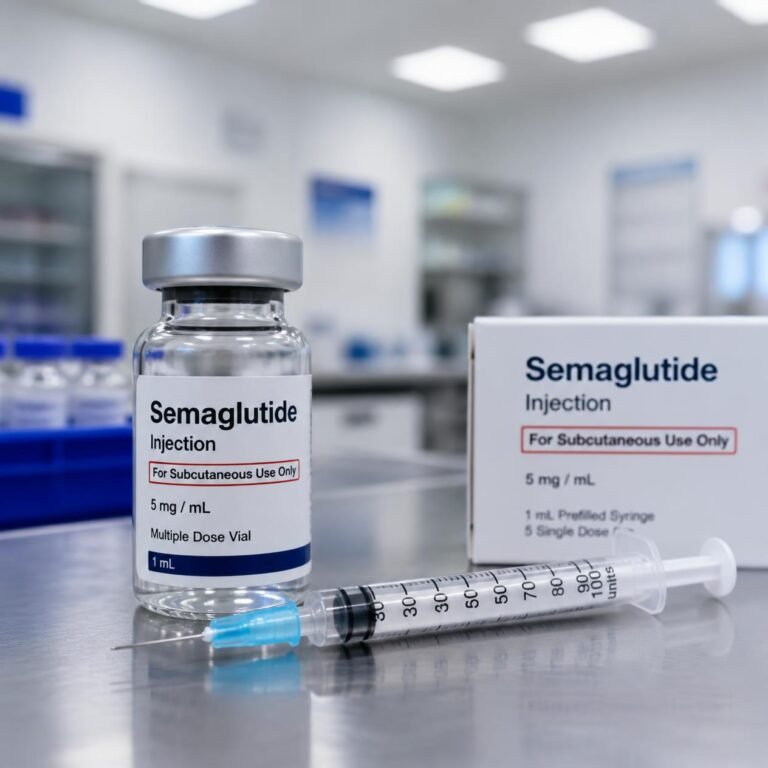
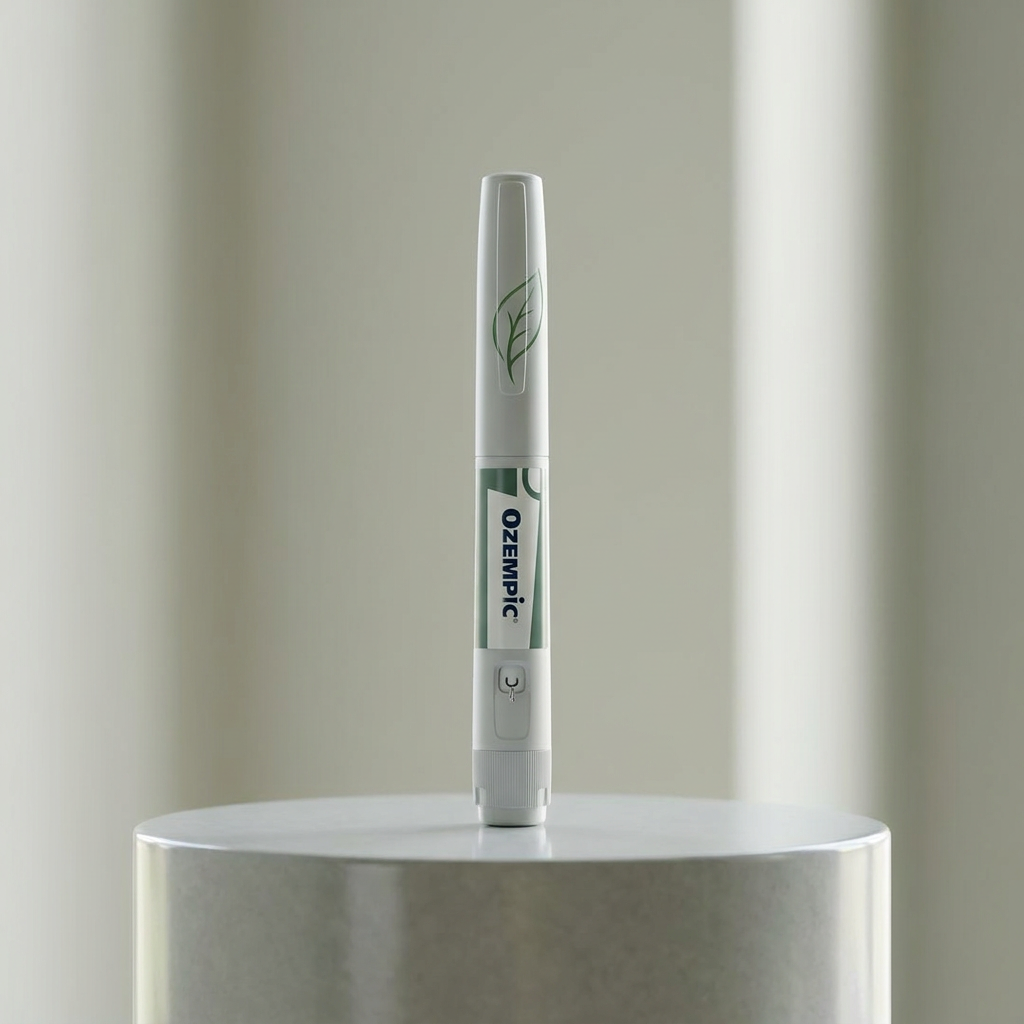
Ozempic (semaglutide) is a once weekly injection that the U.S. Food and Drug Administration approved in 2017 for adults with type 2 diabetes. Its active ingredient, semaglutide, belongs to a class of medications called GLP-1 receptor agonists. These drugs mimic a natural hormone that helps regulate blood sugar, slow digestion, and reduce appetite. Ozempic is not approved by the FDA as a weight loss drug. For chronic weight management, the FDA has approved a higher dose version of semaglutide under the brand name Wegovy. Despite this distinction, physicians may prescribe Ozempic off label for weight loss, and many Georgetown TX patients pursue this option under physician supervision.
How Ozempic Works for Weight Loss
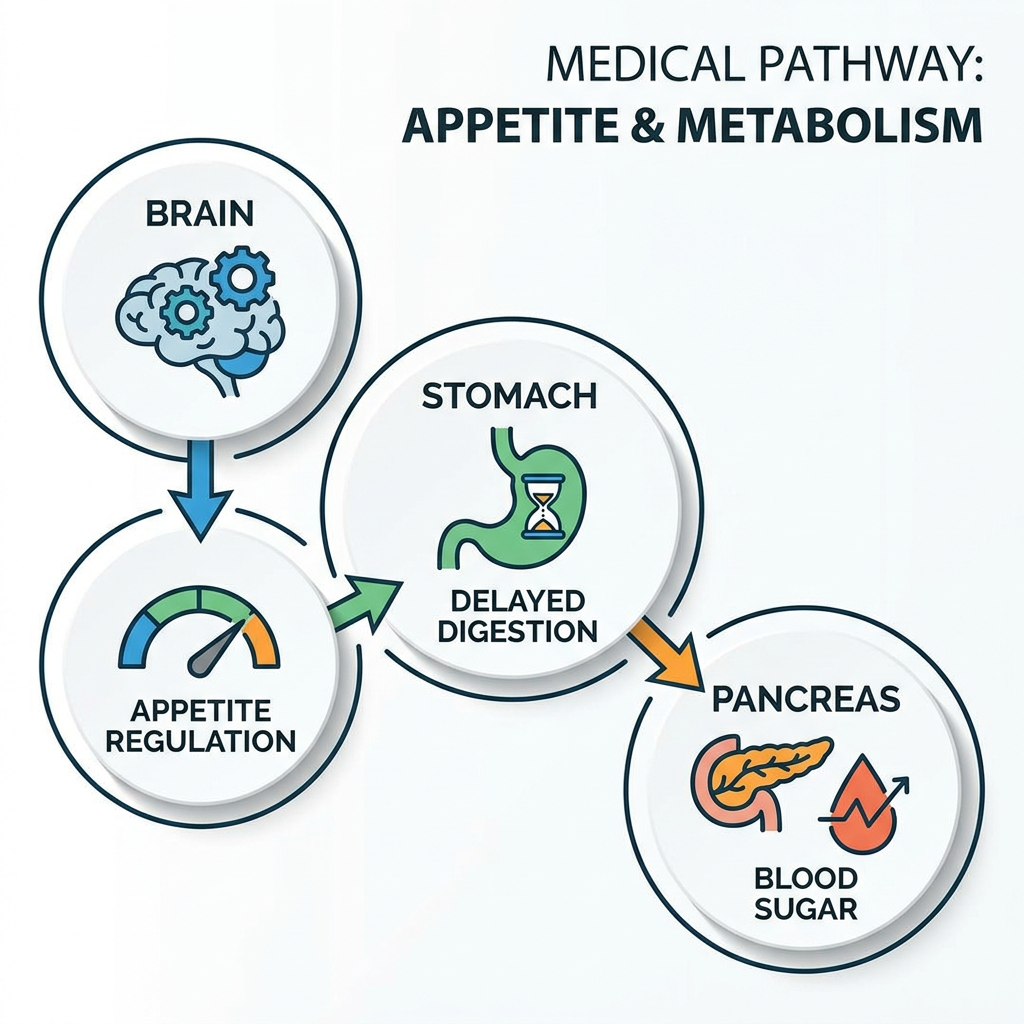
Semaglutide works through several mechanisms that together promote weight loss. It acts on GLP-1 receptors in the brain, which are involved in appetite regulation. People taking Ozempic often report feeling fuller sooner and for longer periods. The medication also slows gastric emptying, meaning food stays in the stomach longer, which further reduces hunger. Additionally, it helps lower blood sugar levels, which can reduce cravings for sugary foods.
These effects make it easier to eat smaller portions and maintain a calorie deficit without constant hunger. For many Georgetown TX patients, this translates into a more manageable approach to weight loss than traditional dieting alone. Learn more about how GLP-1 treatment Georgetown TX programs use these mechanisms to produce clinically supervised results.
Realistic Results with Ozempic
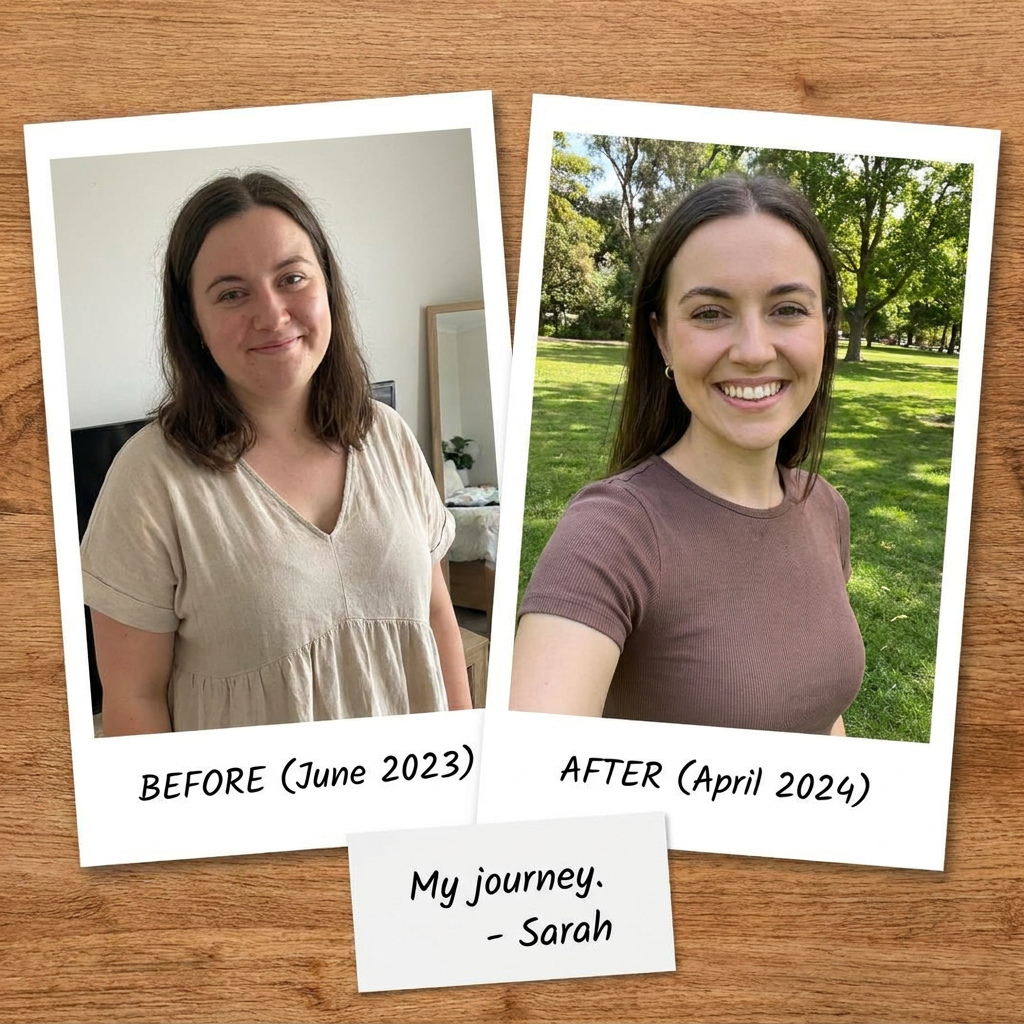
Weight loss outcomes with Ozempic vary based on dosage, duration, and individual factors. In clinical trials involving people with type 2 diabetes, the 0.5 mg dose led to an average loss of about 8 pounds over 30 weeks. Higher doses and longer treatment periods tend to produce greater results. GLP-1 medications as a class can lead to approximately 15 to 20 percent weight loss on average, though studies often use Wegovy at higher doses for this statistic.
Ozempic is not a quick fix. Sustainable weight loss requires combining the medication with a healthy diet and regular physical activity. Patients who use Ozempic without making lifestyle changes typically see less impressive results.
The timeline for noticeable weight loss is usually a few weeks to a couple of months. The starting injection dose is 0.25 mg once weekly for four weeks. After that the dose is gradually increased to a maintenance level, which may go up to 2 mg once weekly. Weight loss tends to be gradual and steady. Patients should work with a physician to set realistic expectations and monitor progress throughout treatment.
Ozempic Side Effects and Risks
Like all medications, Ozempic can cause side effects. The most common ones involve the digestive system and include nausea, reflux, cramping, and constipation. These are often more pronounced when starting the medication or increasing the dose. Most side effects improve over time as the body adjusts.
Serious but rare risks include pancreatitis, gallbladder disease, and kidney problems. The FDA also warns that there are no approved generic versions of Ozempic or Wegovy, and compounding pharmacy versions have been linked to adverse events. Ozempic is intended to be taken long term, and stopping the medication often leads to weight regain. People with a personal or family history of medullary thyroid carcinoma or multiple endocrine neoplasia syndrome type 2 should not use Ozempic. Only a physician can determine whether Ozempic is safe for an individual, so proper medical supervision is essential.
Ozempic vs. Wegovy: Key Differences
Ozempic and Wegovy both contain semaglutide, but they are different medications with different FDA approvals. Ozempic is approved for type 2 diabetes, while Wegovy is approved for chronic weight management. The main difference is the dose. Wegovy contains higher doses of semaglutide, which are more effective for weight loss. Ozempic is typically covered by health insurance for diabetes, whereas Wegovy often is not covered.
For people without diabetes who want to use semaglutide for weight loss, Wegovy is the FDA approved option, but Ozempic may be prescribed off label. The choice between the two should be made in consultation with a physician, considering medical history, insurance coverage, and treatment goals. Our Georgetown TX clinic helps patients navigate these options at their free consultation. Learn more about semaglutide Georgetown TX programs available at our clinic.
Long Term Safety and Sustainability
Because Ozempic is intended as a long term treatment, understanding its safety over many years is important. Current research indicates that the medication is generally safe when used under medical supervision, but long term data extends mainly from diabetes studies. As with any chronic therapy, regular monitoring of blood sugar, kidney function, and gastrointestinal health is recommended.
Patients who stop taking Ozempic often regain much of the lost weight, which is a key consideration. Weight management with GLP-1 medications is typically a lifelong commitment. Physicians can help develop a plan that includes dietary changes, exercise, and possibly other medical weight loss Georgetown TX treatments to maintain results after the medication is adjusted or discontinued.
Who Is a Good Candidate for Ozempic?
Ozempic is primarily indicated for adults with type 2 diabetes. For weight loss, physicians may consider it off label for patients who meet certain criteria, such as having a BMI in the overweight or obese range and having at least one weight related comorbidity. Individuals with metabolic health issues such as prediabetes or insulin resistance may also benefit. People who struggle with emotional eating or constant hunger might find Ozempic helpful because it substantially reduces appetite.
Not everyone responds well. A thorough evaluation by a qualified physician is necessary to determine if Ozempic is appropriate for your situation. Georgetown TX patients can schedule a free weight loss consultation Georgetown TX to discuss eligibility with our physician team, no referral required.
The Future of GLP-1 Medications in Weight Management
The popularity of Ozempic and similar drugs has transformed the field of obesity medicine. GLP-1 receptor agonists represent a significant advancement because they achieve greater weight loss than older medications, which typically produced only 5 to 10 percent loss on average. As research continues, newer agents like tirzepatide (Mounjaro) have shown even more impressive results, with about 17 percent average weight loss.
Insurance coverage and access remain major barriers. While Ozempic is often covered for diabetes, the high cost of these medications without insurance limits access for many patients. Obesity medicine specialists are advocating for broader insurance coverage, recognizing obesity as a chronic disease that requires effective treatment. The field is moving toward personalized approaches where the choice of medication is tailored to an individual’s metabolic profile and preferences. For more information on GLP-1 medications visit the FDA’s official GLP-1 resource page.
Is Ozempic Right for You? Talk to a Georgetown TX Physician
Ozempic offers a powerful tool for weight loss, but it is not a miracle drug or a substitute for healthy habits. Its primary purpose remains the management of type 2 diabetes, and its off label use for weight loss should be approached with caution and physician guidance. Realistic expectations, knowledge of side effects, and an understanding of the need for long term commitment are essential.
Georgetown Weight Loss Clinic offers physician supervised Ozempic and semaglutide programs for patients across Georgetown TX and Williamson County. Our physician evaluates every patient before prescribing, monitors your progress throughout treatment, and adjusts your program as needed. No referral required.
Book your free consultation today.
Frequently Asked Questions
Is Ozempic FDA approved for weight loss?
No. Ozempic is FDA approved for type 2 diabetes. The same active ingredient, semaglutide, is approved for weight loss under the brand name Wegovy. However, physicians may prescribe Ozempic off label for weight loss under medical supervision.
How much weight can you lose on Ozempic?
In clinical trials for type 2 diabetes, the 0.5 mg dose led to about 8 pounds of weight loss over 30 weeks. Higher doses and longer use produce greater results. GLP-1 medications on average lead to 15 to 20 percent weight loss when used for chronic weight management.
What are the most common Ozempic side effects?
The most common side effects are nausea, reflux, cramping, and constipation. These are often temporary and improve as your body adjusts. Serious but rare risks include pancreatitis and gallbladder issues. Always consult your physician if side effects persist or worsen
Can you take Ozempic without having diabetes?
Yes. Physicians may prescribe Ozempic off label for weight loss in people without diabetes. However, Wegovy is the FDA approved option for weight management specifically. Off label use should be carefully monitored by a physician to ensure safety and appropriate dosing.
Will I regain weight if I stop taking Ozempic?
Research shows that stopping Ozempic often leads to weight regain. The medication is intended to be taken long term. To maintain weight loss it is important to adopt lasting lifestyle changes and discuss a long term management plan with your physician before discontinuing treatment.